Energy productivity
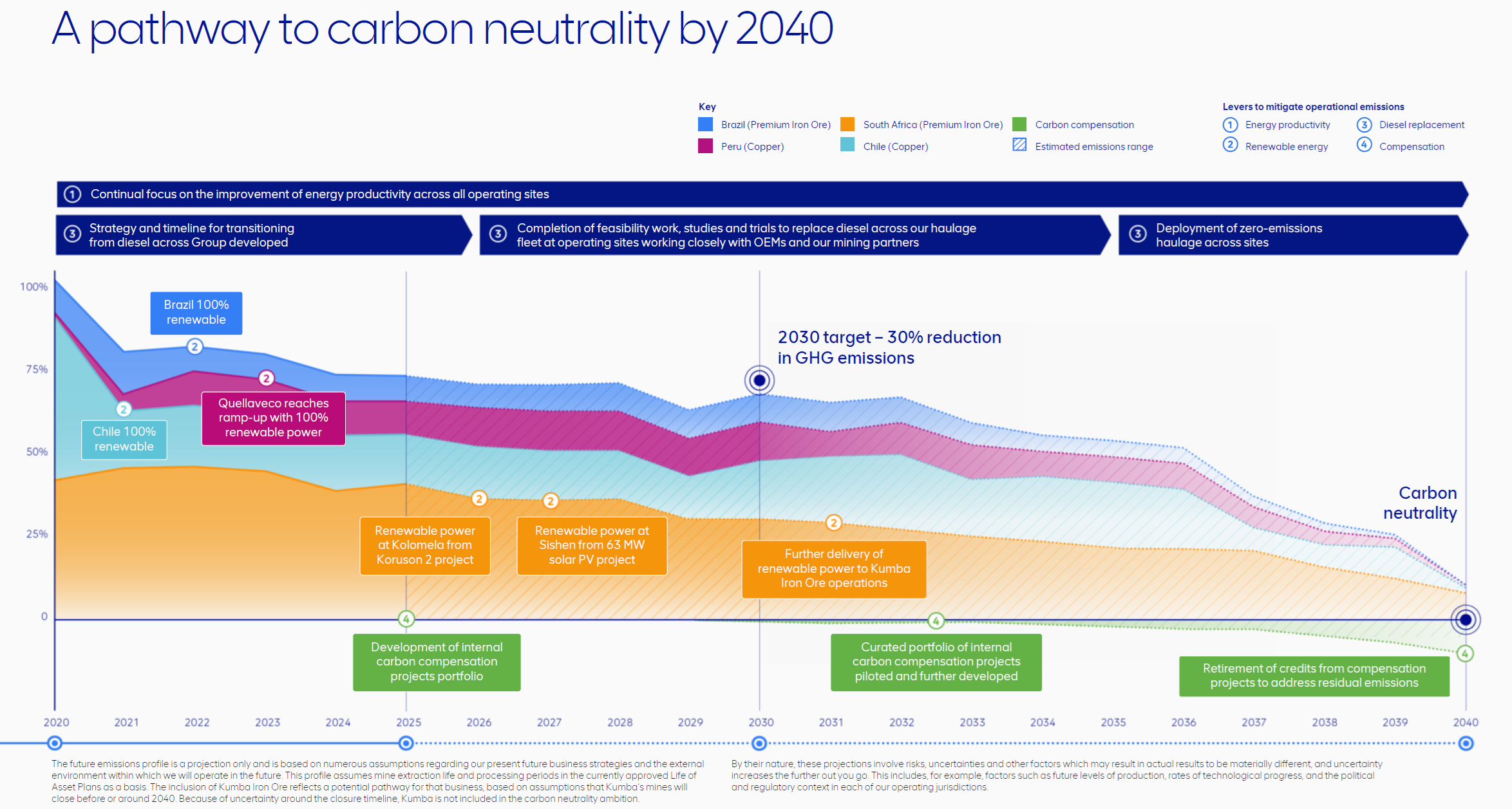
As part of our drive for operational excellence, we're improving energy efficiency – using less energy, consuming less diesel, and therefore generating fewer emissions, to produce each tonne of product, whilst driving down our operational costs. This supports the delivery of our 2030 emissions-reduction target and helps achieve carbon neutrality in the longer term by reducing the amount of low- or zero-carbon energy required for production as we transition from fossil fuels.
Renewable electricity
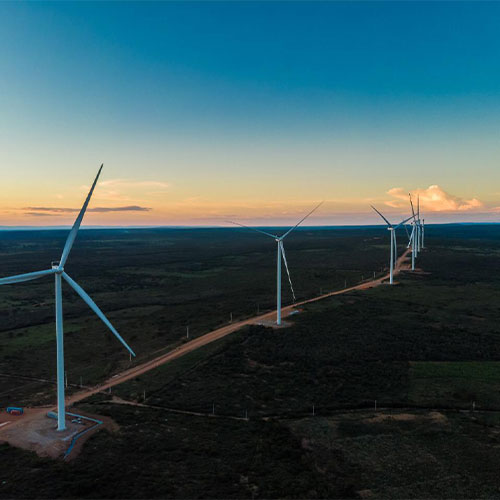
Transitioning our operations to renewable power is a critical component of our strategy to achieve our 2030 target. All of our South American operations (Brazil, Chile and Peru) procure 100% of their electricity from renewable sources, and have done since 2023, eliminating Scope 2 emissions from those businesses. For our simplified portfolio, the remaining reductions in Scope 2 emissions require the transition to renewable power of our Kumba Iron Ore mining operations in South Africa. Delivering increased energy security, and anticipated to reduce our overall cost of electricity, this is expected to be achieved through the use of Envusa-supplied renewable energy – our joint venture company with EDF Renewables.
Diesel replacement
Achieving carbon neutrality by 2040 requires us to replace the diesel we consume with lower-emissions alternatives, with a particular focus on haul trucks that account for approximately 70% of our diesel usage. We’re working with OEMs (original equipment manufacturers) and conducting in-depth studies to identify the best technologies to replace diesel, especially in haul trucks, with roadmaps tailored to the needs and opportunities of our sites. We are also taking our ambition into consideration as we progress the development of our greenfield projects (e.g. Woodsmith and Sakatti).
Carbon compensation
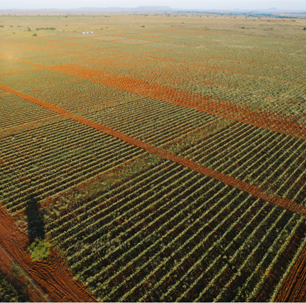
We're creating innovative, high-quality carbon compensation projects within and around our operations – bringing a systems thinking approach to deliver carbon benefit while supporting wider economic, environmental, and social value.