The Education focus area within the Thriving Communities theme is how we improve quality education for current and future generations with a focus on systems change.
We aim to drive systemic and long-term gains through our education goals. We believe that education is essential to address the triple evils of poverty, inequality and unemployment because it increases students’ abilities to access economic and employment opportunities while preparing them with the skills for the future.
Our education programmes aim to cultivate a broad range of skills in students, including academic, digital and socioemotional abilities.
To achieve this, we developed programmes focused on strengthening the leadership skills of school leaders and providing guidance and training for teachers.
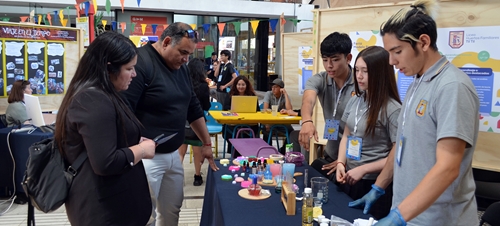
We continue to work on enhancing parental skills, thereby fostering greater family engagement in the education process. In addition, we create various opportunities and promote methodologies that enable schools to connect with their communities, addressing real local challenges. And, on an ongoing basis, we are improving school infrastructure, and introducing better equipment, tailored to the specific needs of each institution.
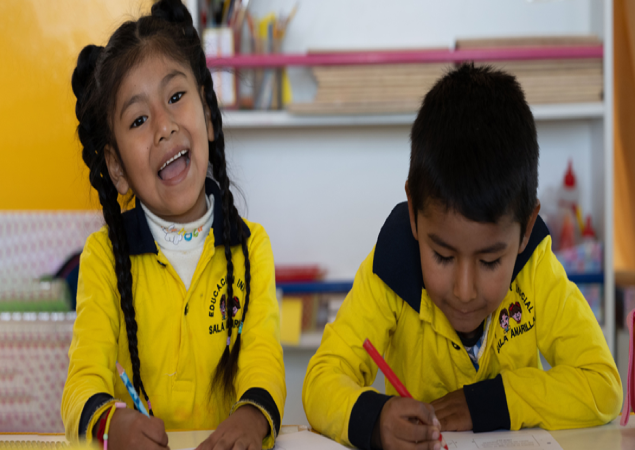
We strive to be a catalyst for change and improve education performance across the entire school community, across all age groups. We do this by working in long-term partnerships with public and private bodies to transform schools into safe, creative spaces where teachers, students and parents build supportive communities.
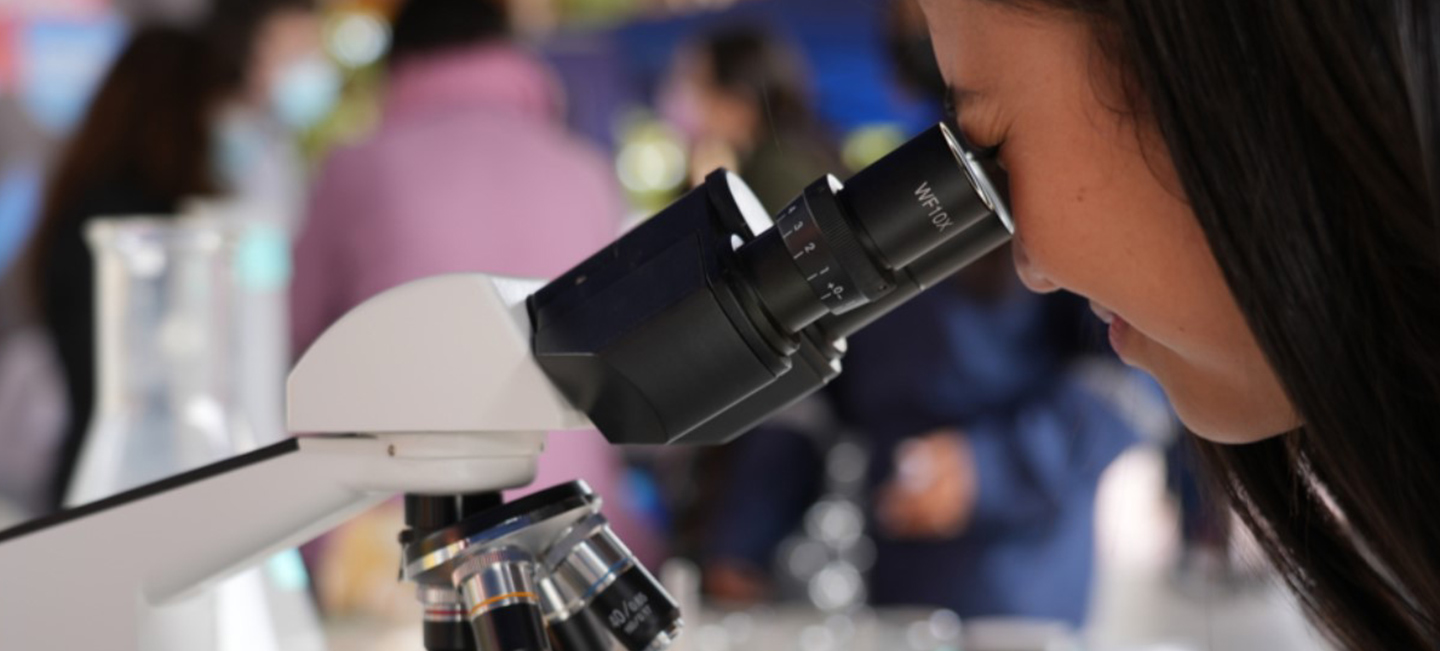
Our ambition is to drive systemic change through innovative programmes that foster inclusion and diversity, addressing areas such as gender, migration, and the inclusion of people with disabilities, among others, while also equipping students with 21st-century skills to prepare them for the future of work. We emphasise a multidisciplinary and active learning approach, strengthening science, technology, engineering, arts, and mathematics (STEAM). Our initiatives help cultivate responsible, well-educated citizens, mitigating risks associated with anti-democratic attitudes, corruption, and crime.
Improve quality education for current and future generations with a focus on systems change.
Business-specific targets improving quality education through systems change.
Double the number of school grades of host community schools that reach proficiency performance by 2030. For more information, visit our Brazil website.
Treble the number of top-performing schools in the region by 2035. For more information, visit our Chile website.
Achieve at least 85% of our education milestones, reaching 30,000 learners by 2035. For more information, visit the Kumba Iron Ore website.
Increase by 50% the number of students in selected host community schools who achieve satisfactory performance in regional assessments by 2032. For more information, visit our Peru website.
You can access all documents related to Education by using the link below. On the ‘Reporting, data and policies’ page, you will also be able to access all ESG documents relating to our Sustainability Strategy.
Use this model to learn about the themes and focus areas within our Sustainability Strategy.