What is the psychosocial working environment?
The psychosocial working environment is shaped by how work is designed, organised and managed, and by the everyday practices that influence how people experience work. Factors such as workload, shift patterns, role clarity, autonomy (ability to self-govern) , support, communication, quality of work experience and fairness all play a role.
When these factors are well managed, they support positive wellbeing and performance. When they are not, they can become psychosocial hazards, just as real as physical, chemical or biological hazards and they must be identified and managed with the same rigour.
As Sarah Bell, SVP Safety, Health and Environment explains:
“A healthy psychosocial working environment is not about removing challenge from our work, it’s about ensuring our systems, leadership and ways of working support people to perform safely, sustainably and as they are maintaining their psychological health and wellbeing are working at their best, even in complex and high‑pressure environments.”
The reality of our working environments
All aspects of the mining and processing value chain are inherently complex. Across Anglo American, many of our colleagues work in conditions that include:
- Complex and demanding operational systems
- High‑responsibility decisions with significant cost and safety implications
- Tight timelines and competing operational priorities
- 24/7 shift work and critical handovers
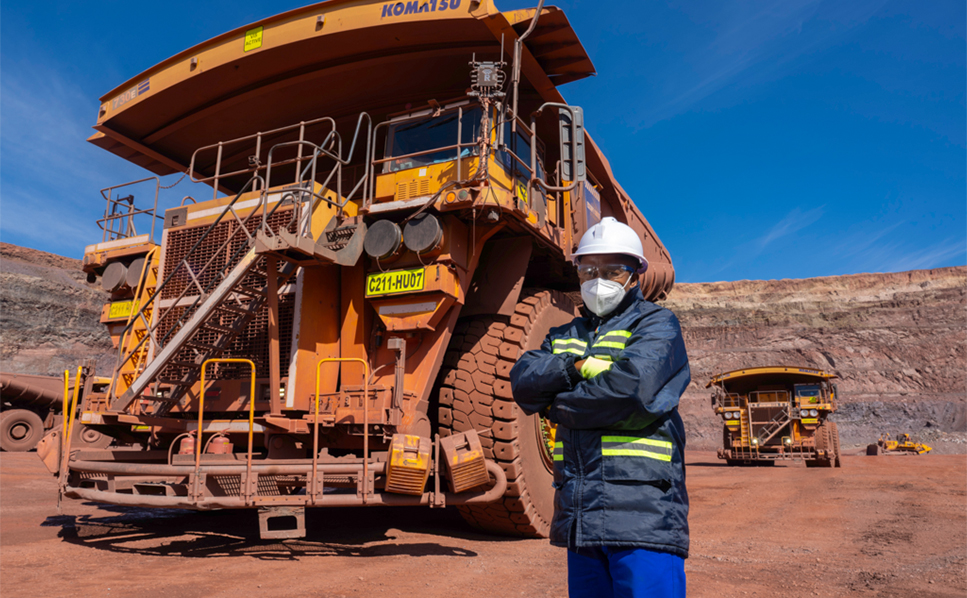
- Remote and isolated work settings, including Fly in Fly out (FIFO) and Drive in Drive out (DIDO) sites.
- Remote work for individuals or challenging environments such as on vessels, in plants or underground
- Increasing interaction required between people and technology
- Traditionally male‑dominated environments, where stigma can still exist around speaking upon workload and other concerns.
These realities mean psychosocial risk is present but can be proactively managed if recognised and that leader input into how work is structured and supported really matters for the health, safety and wellbeing of their people.